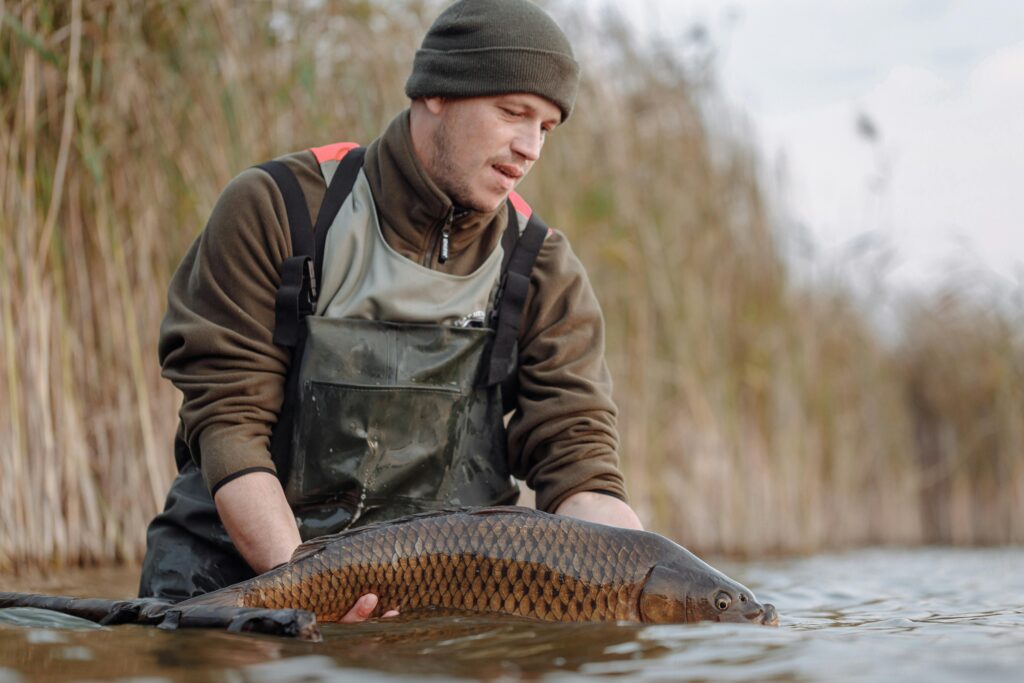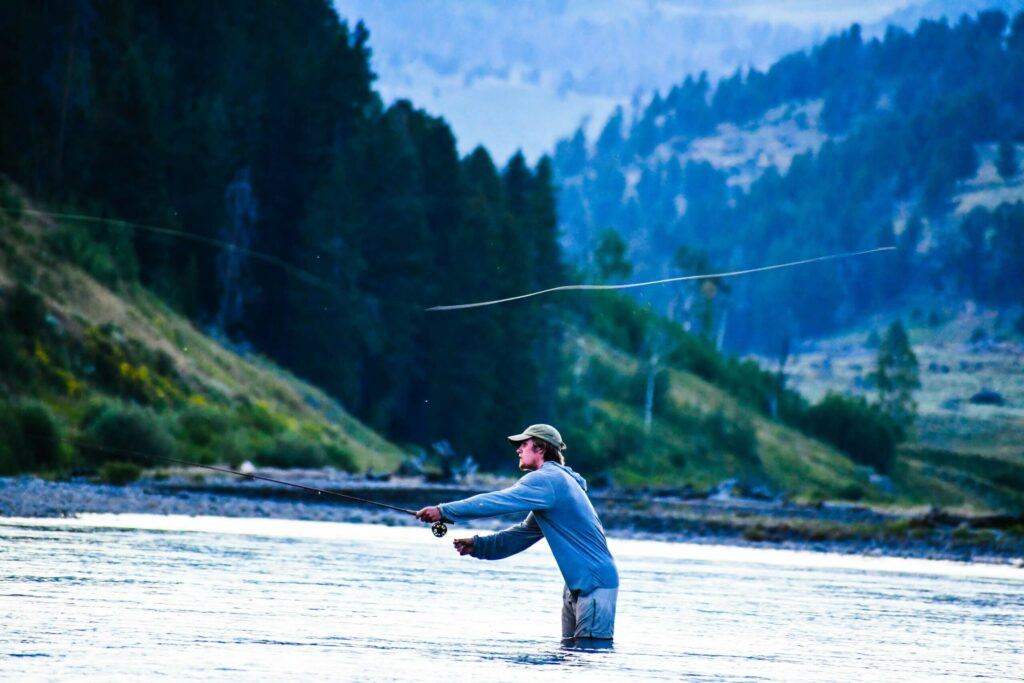
There are a variety of reasons anglers decide to practice catch & release. Maybe you dislike the taste of fish but love fishing, or you just want to sustain a healthy fish population for future generations. The process of catching a fish and returning it alive back into the water is something every angler should consider practicing. The process is fairly simple, but there are some rules that will give you the best chances of returning that trout to the water safely and in the best condition to be caught another day and keep the population going strong.
 The first rule to follow is choosing the best gear that will do the least amount harm to the fish. Hook selection is one of the biggest factors. Depending on the type of fishing you’re doing, some of your baits may come with treble hooks. These tend to do a lot of damage to a fish and can be very difficult to remove once that fish is hooked, reducing its chance of survival. The best way to avoid this problem is to remove all of those treble hooks and replace them with either J-hooks or Circle hooks that are much easier to remove from a fish and cause less trauma. These also create a lot less drag and will help attract more fish as they move through the water much more naturally, perfect for areas that receive a lot of fishing pressure.
The next best practice is to land a fish quickly a and return it to the water as soon as possible. As soon as a fish is hooked and begins to fight lactate levels begin to rise in it’s blood due the increased effort to escape. Even fish that seem completely healthy when released will sometimes perish hours later. A few ways to prevent this are to use proper gear for the size of fish you are trying to catch and keep the fish in the water as you are removing the hook. If the fish is hooked very deeply, it is best to cut the line as close as possible to the hook and release the fish. The hook will rust away in short time and the fish will have a better chance of survival than if you spend too much time trying to remove a hook deep down a fishes throat or damage the gills.
Sometimes even after a short fight and quick landing a fish can become very exhausted. If the fish seems lethargic and unable to swim away vigorously, it is best to gently hold the fish in the water with it’s head facing into the current and allow water to pass through the gills to help increase the oxygen levels in the blood stream and give it a little time to rest before swimming off. If you are in still water, you can gently move the fish forward and backwards to help move water through the gills.
Now that you know the basics and catch and release, be sure to give us a call next time you’re looking to get out on the water!